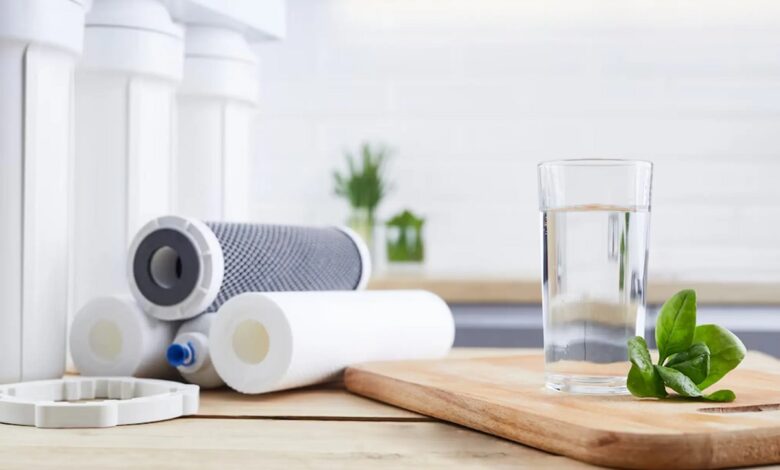
Home filtration is easy to overcomplicate. The real goal is simple. Protect plumbing, improve taste and odour, and keep maintenance predictable.
The smartest setups start with a quick look at your source water, then match a small number of cartridges to real problems. Many households take an initial orientation from suppliers such as Micron Water Filters to choose sensible stages and standard sizes that are easy to service.
Start with a practical baseline
Fill a clear glass and check for cloudiness that settles, which suggests sediment. Smell for a pool-like note that hints at disinfectants. Rub a drop between your fingers to notice slipperiness or squeakiness, which can indicate mineral balance. If you want more detail, simple test kits cover pH, hardness, iron, and residual chlorine. This baseline prevents guesswork and helps you buy the right media the first time.
What a point-of-entry system does
A whole-house, or point-of-entry, system treats water before it reaches fixtures and appliances. Most homes benefit from staged filtration.
Stage 1, sediment control
A pleated or spun polypropylene cartridge captures rust, sand, and silt. This protects tap mixers, valves, and shower heads, and keeps downstream media from clogging early.
Stage 2, taste and odour
Activated carbon reduces disinfectants and common organics. Showers feel better, laundry smells cleaner, and water for cooking is more consistent.
Stage 3, targeted reduction
Depending on your source, this could be finer carbon for pesticides, catalytic carbon for chloramine, or a specialty media for a known issue. Some homes add UV at the end to inactivate microbes without chemicals.
The aim is not to filter for everything. It is to remove what you notice and what harms fixtures, without heavy pressure drop or high maintenance.
Micron ratings and real-world flow
Micron ratings describe pore size. A 20-micron sediment stage catches visible particles. A 5-micron step reduces fine grit that wears seals. Carbon blocks often sit in the 5 to 10-micron range. Very tight filters can lower pressure if housings are undersized. Use larger housings where pipe runs are long or narrow. Balance clarity with comfortable flow so showers and appliances work as intended.
Placement and access for service
Install near the meter or storage point so all fixtures are protected. Leave space to swing housings for cartridge changes. Keep units shaded to reduce algae in clear housings. Add shutoff valves and a drain point to make servicing clean and fast. Label stages so anyone can maintain the system without guesswork.
When to add point-of-use filtration
Many homes pair a whole-house setup with a dedicated drinking water filter at the kitchen sink. Under-sink cartridges or compact reverse osmosis units can reduce dissolved solids and very fine compounds that whole-house carbon does not target. This mix keeps showers pleasant and coffee consistent without over-filtering every tap.
Maintenance is performance
Any system works on day one. Long-term performance depends on cartridge quality and timely changes. Sediment stages load faster in areas with aging mains or frequent works. Carbon stages saturate by volume, not by the calendar alone. Watch for small pressure changes or a return of taste and odour, then swap cartridges before they struggle. Keep spare O-rings and food-grade lubricant on hand to prevent leaks during service.
A simple service rhythm
-
Inspect housings visually each month
-
Replace sediment cartridges when you see noticeable drop in flow or visible loading
-
Replace carbon by volume used or when taste and odour return
-
If you run UV, clean the sleeve as recommended and replace the lamp annually
Writing the schedule on a small tag next to the system keeps everyone aligned on dates and parts.
Benefits for fixtures and appliances
Filtered water reduces spotting on glass, extends the life of mixer cartridges, and helps hot water systems avoid sediment build-up. Dishwashers and washing machines run quieter and cleaner when grit is removed. If hardness is high, a softening step or a scale-control cartridge can complement filtration to reduce mineral deposits on screens and tiles. These small gains across fixtures add up to fewer repairs and a nicer daily experience.
Tanks, bores, and variable sources
Rain tanks can feed excellent water when the system is well kept. Gutters, first-flush diverters, and a sealed, dark tank reduce contamination. Use a coarse stage ahead of fine carbon so leaves and biofilm do not clog the finer media too quickly. Many rural homes add UV after carbon to inactivate microbes without taste changes. Bore water needs a check for iron and manganese before you choose media. Build a chain that matches the source you actually use, rather than a theoretical list of risks.
Honest costing and expectations
Entry whole-house systems are affordable and simple to install. Most cost sits in durable housings and the first set of cartridges. Ongoing cost depends on your water. Sediment-heavy streets change stage one more often. Chlorine-heavy water saturates carbon faster. Budget for two to four cartridge sets per year, with a UV lamp annually if installed. Against this, weigh longer appliance life, fewer plumbing callouts, and small savings in cleaning products and time.
A simple decision path to follow
-
Baseline your water with quick checks or a small kit.
-
Choose staged media that solve real issues, not hypothetical ones.
-
Size housings for flow, pressure, and easy service access.
-
Decide if you want a dedicated drinking water stage at the sink.
-
Set a service rhythm and keep spares ready.
Troubleshooting common issues
-
Pressure feels low after installation
Check for undersized housings or a clogged sediment stage. Confirm valves are fully open and screens at tap outlets are clean. -
Taste returns quickly
Carbon may be undersized for volume or the disinfectant may be chloramine that needs catalytic carbon. Increase capacity or adjust media. -
Milky water after a cartridge change
This is often micro-bubbles from trapped air. It clears after a short flush. If cloudiness settles, it is sediment and you may need a tighter first stage. -
Odour near the tank line
Clean gutters, check first-flush diverters, and ensure the tank is sealed from light to discourage algae. Replace the coarse stage more frequently until the upstream issue is resolved.
Final thoughts
Whole-house filtration is a quiet upgrade that pays you back every day. The best systems are simple, sized for your plumbing, and matched to the water you actually have. Start with a small baseline test, choose sensible stages, and set a realistic service rhythm. Do that, and you protect fixtures, improve taste and odour, and keep maintenance easy without overbuilding the system.