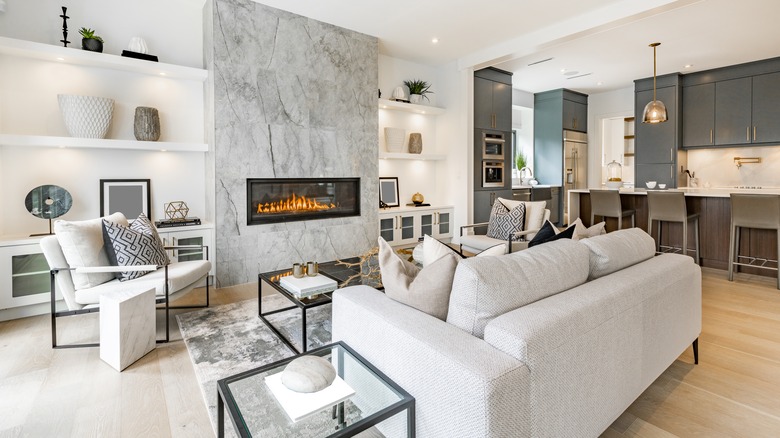
The concept of a home goes far beyond just a structure with walls and a roof. It represents comfort, security, and personal identity. A home is where life unfolds, memories are created, and individuals and families find their sense of belonging. In today’s world, the modern home blends functionality, design, technology, and sustainability, reflecting both lifestyle and values.
Understanding the Modern Home
The modern home is no longer just a place to live; it is an ecosystem that caters to comfort, efficiency, and well-being. Several factors contribute to defining a modern home:
- Design and Architecture: Contemporary homes emphasize open spaces, natural light, and minimalistic design elements. Large windows, open-plan living areas, and multi-functional spaces are popular architectural trends.
- Technology Integration: Smart home systems, including voice-activated assistants, automated lighting, and security systems, have become standard in enhancing convenience and safety.
- Sustainability: Eco-friendly materials, energy-efficient appliances, and water conservation techniques are increasingly important for modern homeowners concerned about environmental impact.
Key Elements That Make a Home Functional
A home’s functionality is determined by the combination of thoughtful planning and efficient use of space. Key elements include:
- Spatial Layout: Proper room arrangement, sufficient storage, and multi-purpose spaces maximize usability.
- Ergonomics: Furniture and interiors designed for comfort, reducing strain and supporting healthy posture.
- Accessibility: Homes designed for all age groups and abilities ensure convenience for every member.
- Energy Efficiency: Insulation, energy-efficient windows, and smart thermostats reduce utility bills and environmental footprint.
Interior Design Trends for a Cozy Home
Interior design plays a crucial role in shaping the atmosphere and livability of a home. Popular trends focus on comfort, aesthetics, and functionality:
Living Spaces
- Open Concept Designs: The merging of living, dining, and kitchen areas creates spaciousness and promotes social interaction.
- Natural Elements: Incorporating wood, stone, and plants enhances warmth and connection to nature.
- Neutral Palettes: Soft, neutral colors provide a calming backdrop and flexibility in décor choices.
Kitchens
- Functional Kitchens: Islands, storage solutions, and modern appliances increase efficiency.
- Sustainable Materials: Countertops and cabinets made from recycled or eco-friendly materials are trending.
- Smart Appliances: Refrigerators, ovens, and dishwashers that connect to apps offer convenience and energy savings.
Bedrooms
- Minimalist Approach: Decluttering and simple designs promote restful environments.
- Lighting: Natural light during the day and adjustable ambient lighting for evenings improve mood and relaxation.
- Comfort-Focused Furniture: High-quality mattresses and ergonomic furniture enhance sleep quality and overall well-being.
Bathrooms
- Spa-Like Experience: Features like rain showers, freestanding tubs, and heated flooring provide luxury at home.
- Water Efficiency: Low-flow faucets and dual-flush toilets support sustainable living.
- Modern Storage: Cabinets and shelves designed for organization reduce clutter and improve usability.
Outdoor Spaces: Extending the Home Environment
Outdoor areas are an essential extension of the home, offering relaxation, recreation, and entertainment:
- Gardens and Landscaping: Green spaces promote mental well-being and increase property value.
- Patios and Decks: Outdoor seating, dining areas, and fire pits enhance lifestyle experiences.
- Sustainability Practices: Rainwater harvesting, solar lighting, and native plants reduce environmental impact.
Smart Homes: Technology in the Modern Home
Smart home technology is transforming how homeowners interact with their living spaces:
- Home Automation: Systems control lighting, climate, and entertainment from a single platform.
- Security Systems: Cameras, smart locks, and motion sensors improve safety and monitoring.
- Energy Management: Smart meters and connected devices help track consumption and reduce costs.
Sustainable Home Practices
Sustainability in the home goes beyond using eco-friendly materials. It involves a holistic approach to daily living:
- Energy-Efficient Design: Passive heating and cooling, solar panels, and insulation optimize energy use.
- Water Conservation: Low-flow fixtures, rainwater collection, and drought-resistant landscaping minimize water waste.
- Waste Management: Composting, recycling, and reusing materials reduce environmental footprint.
- Eco-Friendly Materials: Bamboo flooring, recycled countertops, and low-VOC paints improve indoor air quality.
Renovation and Maintenance Tips
Maintaining a home ensures longevity, safety, and comfort:
- Routine Maintenance: Inspect plumbing, electrical systems, and roofing regularly.
- Modernization: Upgrade kitchens, bathrooms, and living spaces to match current design and technology trends.
- Storage Optimization: Use vertical storage, built-in shelving, and decluttering techniques to maximize space.
- Preventive Measures: Weatherproofing, insulation, and pest control protect the home from damage and preserve value.
Financial Considerations When Owning a Home
Owning a home involves careful financial planning:
- Budgeting for Purchase and Renovation: Consider upfront costs, renovation expenses, and furniture upgrades.
- Property Taxes and Insurance: Understand local tax regulations and invest in suitable home insurance.
- Long-Term Value: Choose quality materials, sustainable solutions, and appealing designs to increase resale value.
- Energy Savings: Smart systems and energy-efficient upgrades reduce monthly utility expenses.
Creating a Personalized Home Experience
Ultimately, a home reflects the personalities and lifestyles of its inhabitants. Personal touches make a home truly unique:
- Decor and Accessories: Art, photographs, and souvenirs add individuality.
- Comfort Zones: Reading nooks, meditation spaces, or hobby rooms create dedicated areas for relaxation and activities.
- Family-Friendly Design: Open layouts, interactive spaces, and adaptable furniture foster family interaction and growth.
- Pet-Friendly Spaces: Consider dedicated areas for pets that maintain hygiene and safety.
The Emotional and Psychological Value of a Home
A home provides more than physical shelter; it affects mental health and emotional well-being:
- Sense of Security: A stable home offers protection and peace of mind.
- Emotional Attachment: Memories and personal experiences create a deep connection to the living space.
- Creativity and Productivity: Well-designed spaces influence mood, creativity, and daily efficiency.
- Community Engagement: A home in a supportive neighborhood encourages social interaction and belonging.
Conclusion
The modern home is a fusion of design, comfort, technology, and sustainability. By focusing on functional layouts, interior trends, smart technology, and eco-friendly practices, homeowners can create spaces that are not only aesthetically appealing but also efficient and personalized. From living spaces to outdoor areas, every aspect contributes to making a home a sanctuary that nurtures both body and mind. A well-planned home reflects the lifestyle and values of its inhabitants, serving as a true foundation for a balanced and fulfilling life.
Frequently Asked Questions (FAQ)
1. How can I make my home more energy-efficient?
Incorporate energy-saving appliances, LED lighting, proper insulation, and smart thermostats. Solar panels and passive design strategies can also significantly reduce energy consumption.
2. What are the best interior design trends for modern homes?
Open concept layouts, neutral color palettes, natural materials, minimalist furniture, and integrated smart technology are currently trending.
3. How do I create a sustainable home?
Use eco-friendly materials, optimize energy and water use, recycle and compost waste, and integrate renewable energy solutions wherever possible.
4. What are essential features of a functional home?
A functional home should have proper spatial layout, efficient storage, ergonomic furniture, accessibility, and smart energy management systems.
5. How can outdoor spaces improve my home experience?
Gardens, patios, and decks provide relaxation, social interaction, and enhance mental well-being. Incorporating sustainable landscaping also adds environmental benefits.
6. How do I personalize my home without cluttering it?
Use select art pieces, photos, or unique accessories. Allocate specific zones for hobbies or relaxation, ensuring the home remains organized and visually appealing.
7. What financial considerations should I keep in mind when buying or renovating a home?
Consider initial purchase cost, renovation expenses, property taxes, insurance, and long-term energy savings. Planning ahead ensures you stay within budget and increase the home’s long-term value.