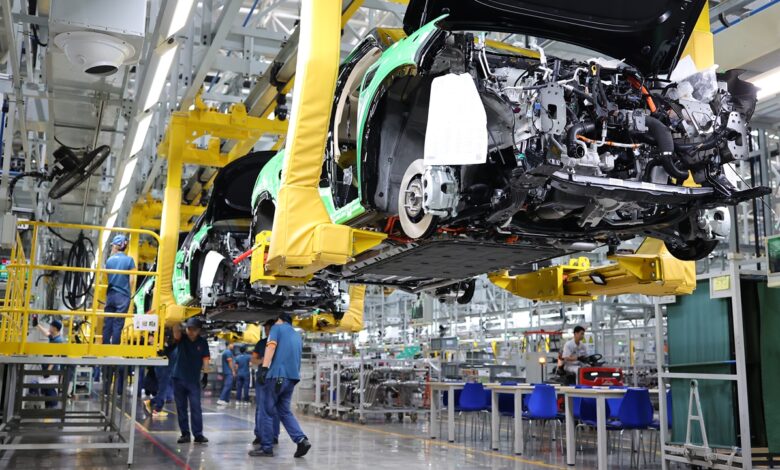
The auto industry has evolved tremendously over the past decade. From electric vehicles to autonomous driving, modern cars are not just a means of transportation—they represent technology, convenience, and sustainability. Understanding the current landscape, innovations, and buying considerations is essential for anyone interested in owning or investing in vehicles today. This article explores everything about autos, including industry trends, technological advancements, and practical advice for buyers.
Understanding the Auto Industry Today
The auto industry encompasses the design, manufacturing, marketing, and sale of automobiles, including cars, trucks, and commercial vehicles. It plays a crucial role in the global economy, employing millions and driving technological advancements. Key players include traditional automakers, electric vehicle (EV) manufacturers, and new tech-oriented startups focusing on self-driving and connected cars.
Global Market Overview
As of 2025, the auto industry continues to experience growth despite challenges like supply chain disruptions and fluctuating raw material costs. Emerging markets such as India, China, and Southeast Asia are seeing increasing vehicle adoption, while developed countries focus on sustainability and high-tech solutions. The global push for electric vehicles and carbon neutrality is reshaping production and consumer preferences.
Latest Trends in the Auto Industry
1. Rise of Electric Vehicles (EVs)
Electric vehicles are no longer a niche product—they are becoming mainstream. Major automakers like Tesla, Ford, BMW, and Nissan are expanding EV lineups with improved battery technology, longer ranges, and faster charging solutions. Governments worldwide are incentivizing EV adoption through tax credits, rebates, and stricter emission regulations.
Key benefits of EVs include:
- Reduced carbon emissions and environmental impact
- Lower long-term maintenance costs compared to internal combustion engine vehicles
- Advanced features such as regenerative braking and smart energy management
2. Autonomous and Connected Vehicles
Self-driving cars, once considered futuristic, are increasingly integrated with advanced driver-assistance systems (ADAS). Autonomous vehicle technology focuses on safety, efficiency, and convenience, allowing cars to navigate traffic, park, and even communicate with other vehicles.
Connected vehicles leverage the Internet of Things (IoT), enabling real-time traffic updates, predictive maintenance alerts, and over-the-air software updates, enhancing the overall driving experience.
3. Sustainable Manufacturing Practices
Auto manufacturers are shifting towards eco-friendly production methods. Companies are using recycled materials, reducing water usage, and implementing green energy sources in factories. Sustainability extends to supply chains as well, with stricter sourcing standards for metals and components used in car manufacturing.
4. Advanced Safety Features
Safety continues to be a top priority for automakers. Modern cars come equipped with:
- Adaptive cruise control and lane-keeping assist
- Automatic emergency braking systems
- Blind-spot detection and collision warning systems
- Airbags and reinforced frames for enhanced protection
These features not only reduce accident risk but are increasingly required to meet global safety standards.
5. Smart Infotainment and Digital Experiences
The auto sector has also embraced technology in infotainment systems. Touchscreen interfaces, voice commands, and seamless smartphone integration are now standard in most vehicles. Streaming services, navigation, and vehicle diagnostics are increasingly accessible through in-car digital platforms.
Buying an Auto: Factors to Consider
Buying a car in 2025 requires careful consideration of multiple factors:
Vehicle Type and Usage
- Sedans: Ideal for urban commuting with moderate fuel efficiency and comfort
- SUVs: Offer space and versatility for families and off-road enthusiasts
- Electric Vehicles: Suitable for eco-conscious buyers and city driving with charging infrastructure
Budget and Financing Options
Consider total cost of ownership, including purchase price, insurance, maintenance, and fuel costs. Many buyers leverage auto loans, leasing, and EV-specific financing schemes.
Resale Value
Cars with strong resale value can significantly reduce long-term costs. Popular brands and well-maintained vehicles retain value better than niche models.
Warranty and After-Sales Service
Manufacturer warranties, roadside assistance, and service availability are crucial for peace of mind. EV buyers should check battery warranty and charging network support.
Test Drive and Features
A test drive provides practical insight into vehicle performance, comfort, and handling. Evaluate features like:
- Driving experience and comfort
- Safety systems functionality
- Infotainment and connectivity options
Maintaining Your Vehicle
Proper maintenance ensures longevity, performance, and safety. Key maintenance practices include:
- Regular oil changes, tire rotations, and brake inspections
- Battery checks and software updates for EVs
- Keeping tires properly inflated for efficiency and safety
- Cleaning and waxing to maintain exterior appearance
Proactive maintenance reduces repair costs and ensures optimal performance.
Future Outlook for the Auto Industry
The auto industry is poised for rapid transformation in the coming years. Electric mobility, autonomous driving, and connected ecosystems will dominate the market. Artificial intelligence and machine learning will enable predictive maintenance, smarter traffic management, and personalized driving experiences. Consumers will increasingly prioritize sustainability, affordability, and integrated technology when selecting vehicles.
Auto Industry Innovations
- Vehicle-to-Everything (V2X) Communication: Cars communicating with infrastructure, pedestrians, and other vehicles to improve safety and efficiency
- Lightweight Materials: Carbon fiber and aluminum reduce vehicle weight, improving fuel efficiency and EV range
- Smart Charging Networks: Fast-charging stations and home chargers expanding EV accessibility
- Personalized Driving Modes: Customizable settings for seat positions, suspension, and driving dynamics
Challenges Facing the Auto Industry
Despite innovations, the auto industry faces challenges:
- High costs of EV production and battery materials
- Regulatory compliance across multiple markets
- Supply chain issues impacting chip availability and manufacturing
- Consumer concerns about data privacy and cybersecurity in connected vehicles
Conclusion
The auto industry in 2025 is dynamic, technology-driven, and increasingly sustainable. From electric vehicles to autonomous driving, innovations are reshaping how people experience mobility. Consumers who stay informed about trends, safety features, and maintenance best practices can make smarter buying decisions, ensuring a safe, efficient, and enjoyable driving experience. The future of autos promises cleaner roads, smarter vehicles, and a seamless blend of technology and transportation.
FAQs
1. What is the difference between hybrid and electric vehicles?
Hybrid vehicles use both an internal combustion engine and an electric motor, while electric vehicles rely entirely on battery power. Hybrids are suitable for longer distances without frequent charging, whereas EVs are more eco-friendly with lower maintenance costs.
2. How long does it take to charge an electric vehicle?
Charging times vary depending on battery capacity and charger type. Standard home chargers may take 8–12 hours, while fast chargers can provide 80% battery in 30–60 minutes.
3. Are autonomous vehicles safe to use today?
Modern autonomous driving systems significantly reduce accidents but require human supervision. Fully self-driving cars are still undergoing testing and regulation in many regions.
4. What factors affect a car’s resale value?
Brand reputation, vehicle condition, mileage, maintenance records, and demand for the specific model influence resale value. EVs may have higher depreciation due to battery replacement costs.
5. How often should I maintain my car?
Routine maintenance typically includes oil changes every 5,000–10,000 miles, tire rotations every 6,000–8,000 miles, and brake inspections every 10,000–12,000 miles. EVs require fewer mechanical maintenance tasks but need battery and software checks.
6. Can I install a home charging station for my EV?
Yes. Most EV owners install Level 2 chargers at home for convenient overnight charging. Installation requires electrical inspection and compliance with safety regulations.
7. What are the benefits of connected vehicles?
Connected vehicles provide real-time traffic updates, predictive maintenance alerts, remote diagnostics, over-the-air software updates, and enhanced safety through vehicle-to-vehicle communication.