Education is the cornerstone of personal development, societal progress, and economic growth. In 2025, the education sector is experiencing a profound transformation driven by technology, evolving teaching methods, and a global emphasis on lifelong learning. Understanding these changes is critical for students, educators, and institutions striving to provide or receive quality education. This article explores current trends, innovations, challenges, and strategies shaping education today.
The Current Landscape of Education
The education sector encompasses primary, secondary, tertiary, and vocational learning, as well as informal and online learning environments. With rapid technological advancements, education is no longer limited to traditional classrooms. Online platforms, digital resources, and interactive learning tools are now standard components of modern education.
Global Overview
Education accessibility has improved globally, with digital initiatives bridging gaps in remote and underserved regions. Governments and private organizations invest heavily in digital infrastructure, teacher training, and curriculum modernization to meet the demands of the 21st century workforce. Despite these advances, challenges such as digital divide, student engagement, and educational inequality persist in many countries.
Key Trends in Education
1. Digital and Online Learning
The rise of online education has redefined the way knowledge is delivered and consumed. Massive Open Online Courses (MOOCs), e-learning platforms, and virtual classrooms offer flexible and affordable learning opportunities.
Benefits of digital learning include:
- Access to global educational resources and expert instructors
- Personalized learning paths based on student performance
- Flexible schedules allowing students to balance work, study, and personal commitments
2. Artificial Intelligence in Education
Artificial intelligence (AI) is transforming educational delivery. AI-driven tools can:
- Provide personalized feedback and adaptive learning plans
- Automate grading and administrative tasks
- Identify learning gaps and suggest targeted interventions
AI not only improves efficiency but also enhances student outcomes by tailoring education to individual learning styles.
3. Gamification and Interactive Learning
Gamification incorporates game elements such as rewards, challenges, and leaderboards into learning environments. This approach improves student engagement and motivation while promoting active participation. Interactive simulations, virtual labs, and educational games help students understand complex concepts through hands-on experience.
4. Focus on Skills and Competency-Based Learning
Modern education emphasizes practical skills alongside theoretical knowledge. Competency-based learning assesses students on their ability to apply knowledge in real-world scenarios. Critical thinking, problem-solving, creativity, and digital literacy are prioritized to prepare students for a rapidly changing job market.
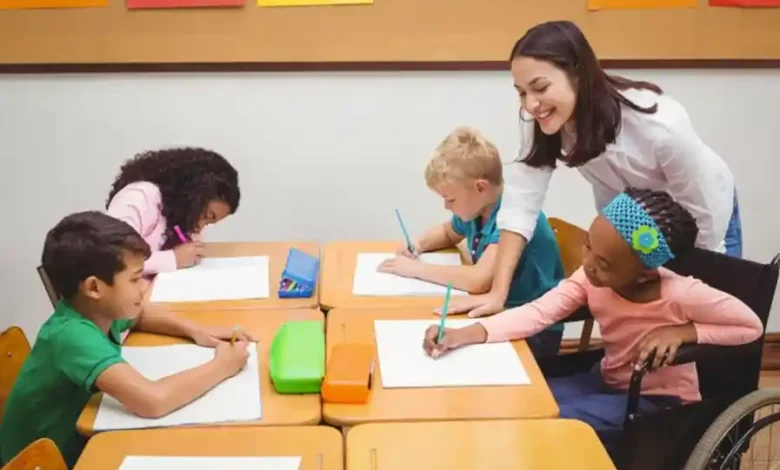
5. Inclusive and Accessible Education
Education systems are increasingly adopting inclusive practices to support students with disabilities, diverse cultural backgrounds, and different learning needs. Technologies such as screen readers, speech-to-text tools, and adaptive learning platforms enhance accessibility for all learners.
Effective Teaching Methodologies
Blended Learning
Blended learning combines traditional classroom instruction with online resources. This approach provides flexibility, allows teachers to cater to different learning styles, and fosters collaborative learning experiences.
Project-Based Learning (PBL)
PBL engages students in real-world projects that encourage critical thinking, research, and problem-solving. It helps learners apply theoretical knowledge practically and develop teamwork and communication skills.
Flipped Classroom
In a flipped classroom, students review instructional content at home and engage in interactive activities, discussions, and problem-solving exercises during class. This method increases active participation and promotes deeper understanding of the material.
Role of Technology in Modern Education
Technology plays a vital role in enhancing the learning experience. Key technological innovations include:
- Learning Management Systems (LMS): Platforms like Moodle and Canvas organize courses, track progress, and facilitate communication between students and educators.
- Virtual Reality (VR) and Augmented Reality (AR): VR and AR provide immersive learning experiences in subjects like science, history, and medicine.
- Artificial Intelligence Tutors: AI tutors offer 24/7 assistance, helping students practice concepts and reinforce learning independently.
- Cloud-Based Resources: Cloud storage enables students and teachers to access educational materials anytime, anywhere, enhancing collaboration and resource sharing.
Challenges Facing Education
Despite advancements, the education sector faces several challenges:
- Digital Divide: Unequal access to technology and internet connectivity creates disparities in learning opportunities.
- Student Engagement: Maintaining motivation and focus is challenging, especially in remote and online learning environments.
- Teacher Training: Educators must continuously adapt to new technologies, pedagogical methods, and evolving curricula.
- Assessment and Evaluation: Traditional assessment methods may not effectively measure skills, creativity, and critical thinking.
Preparing Students for the Future
Education in 2025 emphasizes lifelong learning and adaptability. Students must acquire a combination of hard and soft skills to succeed in dynamic environments. Essential focus areas include:
- Digital Literacy: Proficiency in using technology tools, online research, and digital communication.
- Critical Thinking: Ability to analyze information, solve problems, and make informed decisions.
- Emotional Intelligence: Understanding emotions, managing stress, and collaborating effectively.
- Entrepreneurship and Innovation: Encouraging creativity, initiative, and the ability to transform ideas into actionable solutions.
Future of Education
The future of education will likely involve highly personalized learning experiences, AI-powered analytics, immersive simulations, and global collaborative projects. Educational institutions will increasingly partner with tech companies, industries, and communities to align curricula with real-world needs. Sustainable and inclusive practices will be integral to ensuring equitable access for all learners worldwide.
Conclusion
The education sector is undergoing a technological, pedagogical, and cultural transformation. Modern learners require more than textbook knowledge—they need practical skills, critical thinking, adaptability, and digital literacy. By embracing innovation, inclusivity, and effective teaching methodologies, educators and institutions can equip students to thrive in a rapidly evolving world. Education today is not just preparation for the future—it is the foundation for lifelong success.
FAQs
1. How is technology changing education in 2025?
Technology enhances accessibility, personalizes learning, improves engagement through gamification, and enables real-time performance tracking using AI and analytics.
2. What is competency-based learning?
Competency-based learning focuses on students’ ability to apply knowledge and skills in practical scenarios rather than solely assessing theoretical understanding.
3. How can online learning be as effective as classroom learning?
Effectiveness relies on interactive platforms, structured curricula, regular assessments, student engagement strategies, and instructor support to ensure comprehension and retention.
4. What are the benefits of a flipped classroom?
Flipped classrooms encourage active participation, critical thinking, collaborative learning, and deeper understanding by shifting direct instruction outside class and focusing on applied learning during class.
5. How does gamification improve learning outcomes?
Gamification motivates students, enhances engagement, encourages competition and collaboration, and helps learners understand complex concepts through interactive and enjoyable activities.
6. Why is inclusive education important?
Inclusive education ensures that learners of all abilities, backgrounds, and needs have equal access to quality education, promoting diversity, equity, and fairness in learning opportunities.
7. What skills are essential for students today?
Digital literacy, critical thinking, problem-solving, creativity, emotional intelligence, adaptability, and entrepreneurship are key skills required to succeed in modern education and future careers.